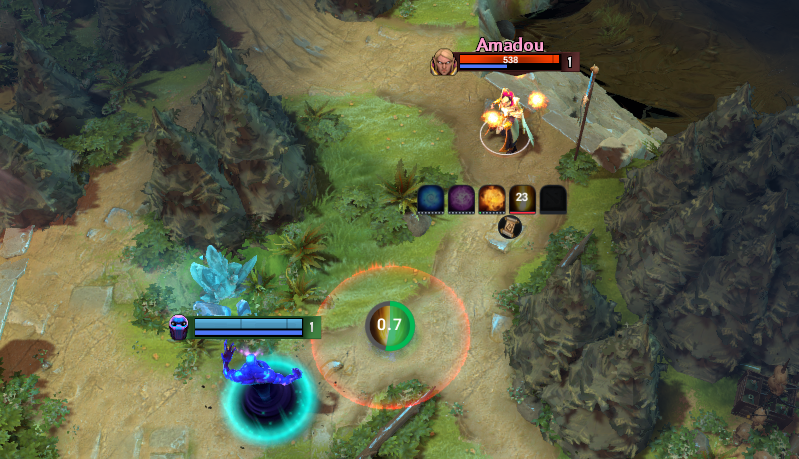
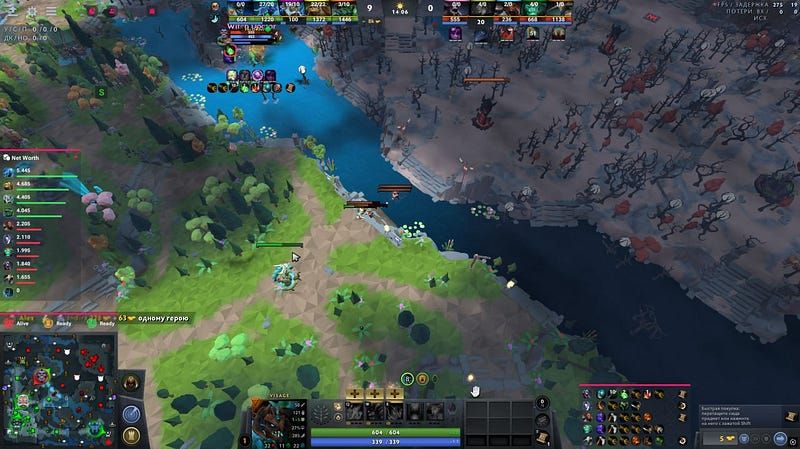
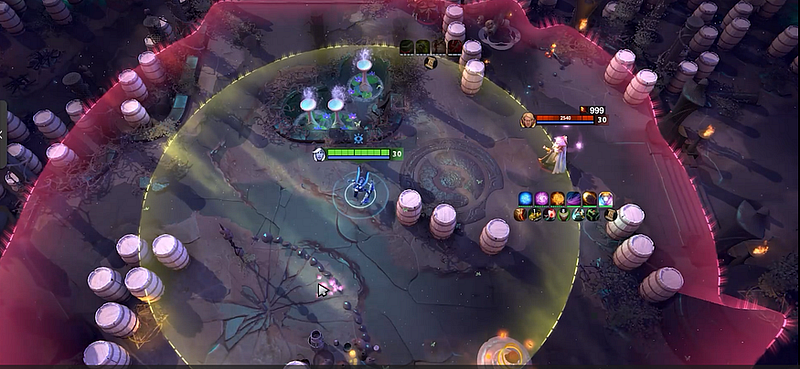
How Dota 2 cheats work comes down to the route data takes before it turns into an action. An overlay can display a signal on screen, a script obeys some rule, and automation modules can fire off several inputs once something triggers them. Each is its own mechanism, each with its own limits.
Quick answer: label each tool by its inputs, its effects and the place it runs. Keep three questions apart: hidden data, risk to the account, implementation; a feature name is not a technical explanation.
A third-party tool in four pieces
Seen from above, a product may include:
- an input or data source;
- a decision layer making sense of the event;
- an output layer that can display or send back a reaction;
- a configuration and update layer whose changes shift the scope as time goes on.
This model helps explain how two tools both labeled “ESP” or “script” can act in different ways. It also spares us from pretending a sales page reveals the private implementation details of a product.
Overlays, scripts and macros
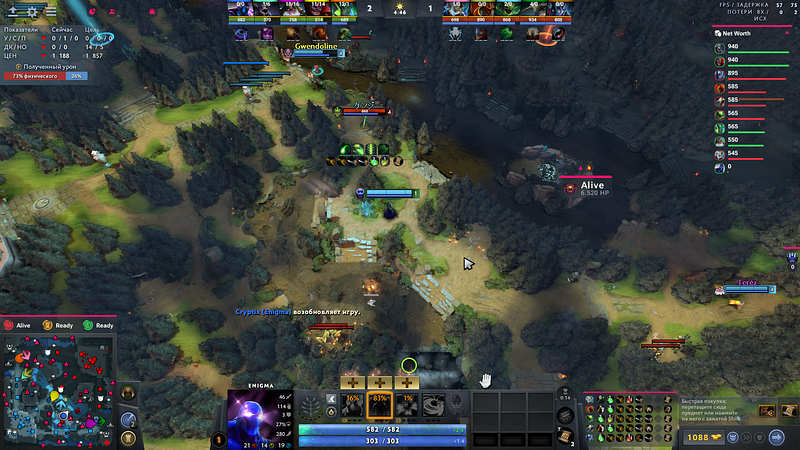
An overlay may repackage an event you can already see, pop up a reminder, or claim it reveals data the standard interface keeps from you. A script may run a rule against the game state. A macro may play the same inputs back in a set order. Marketing text mixes these words up, so look at the trigger and the environment.
How the data source changes what a feature covers
A tool built on a visible event can do no more than the client is able to display. Once it claims to work out where something is, false alarms and uncertainty come into play. Once it claims access to hidden state, the question of account policy gets sharper.
Expect the page to name where the data comes from, under what condition it works and when it fails. “Full map” or “humanized” does not describe any source.
What a Dota patch can change
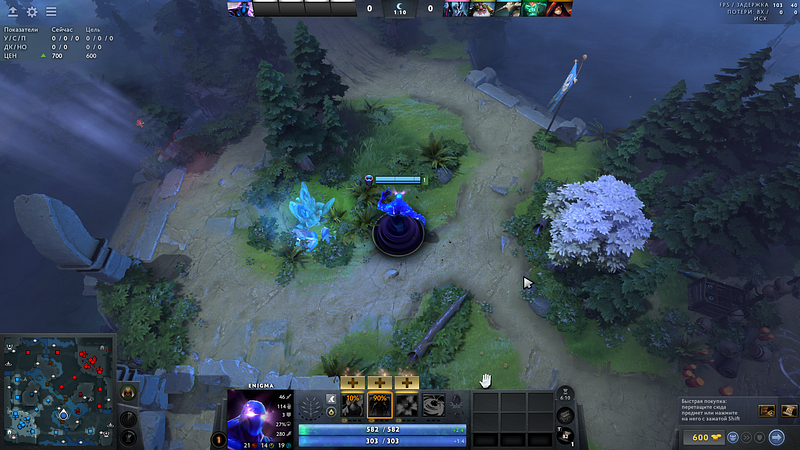
A patch may change files, events in the UI, how data is structured or what timing is assumed. Screenshots stay screenshots; a page that is still online does not make them current. Note the build date and search for an update note that carries a date.
A hands-on checklist for evaluation
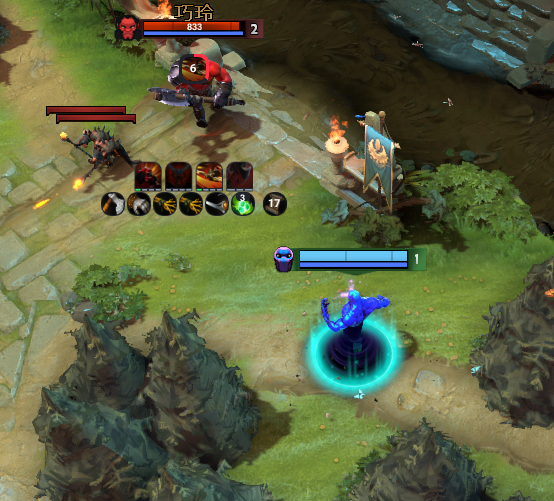
Write down, feature by feature:
- Which event or data does the page name?
- What output does it promise?
- Is a hero supported, and in which mode or build?
- Which limits are published?
- What does the provider leave unexplained?
Most ranking pages skip that final question. Unknowns deserve a place in any comparison.
How Melonity fits in
Melonity’s public page shows a broad product taxonomy well, yet the vendor’s words are no independent technical audit. Our relationship with it is disclosed, and we claim nothing about lasting compatibility or account safety.
Internal links
FAQ
How Dota 2 cheats work — can that be explained simply?
Pull apart the data source, the decision layer, the output and the update context. A feature name on its own will not do.
Is an overlay the same thing as a script?
No. An overlay can display a signal, whereas a script may run rules or automate actions. Sales pages tend to smudge the line.
Can an old screenshot prove a feature works now?
No. It captures an interface at a single point in time and says nothing about compatibility today.
What makes patches important?
A third-party tool depends on certain events, files and assumptions, and a patch may change any of them.