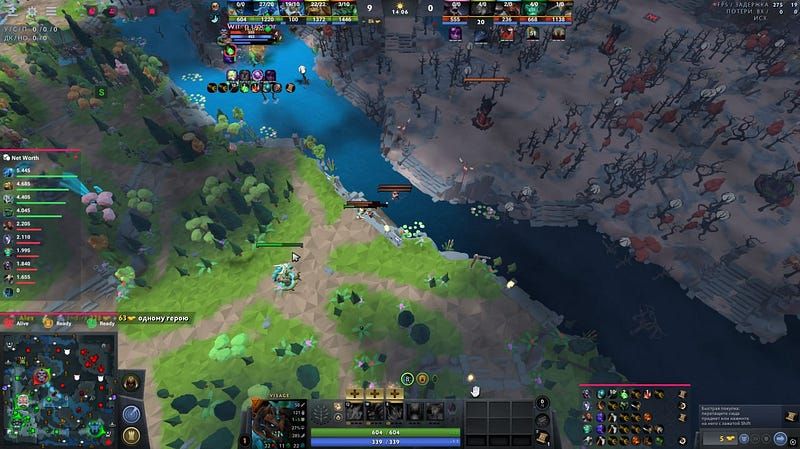
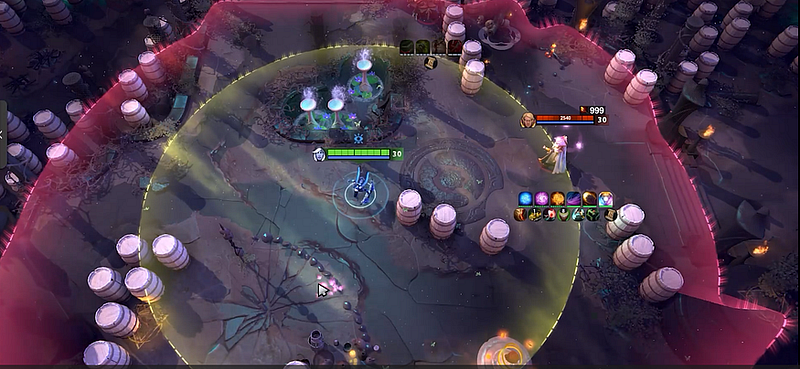
Looking for a Dota 2 cheats comparison? Ignore rankings that crown some “permanent winner.” The answer worth having depends on you: line up today’s feature scope, the proof behind it, how setup works and what support promises, and hold all of that against your real playstyle.
Quick answer: on its public page Melonity shows a wide suite of Dota 2 scripts: modules for heroes, visuals and utility tools. Umbrella usually gets pitched as a narrower bundle of core modules. Both are descriptions written by the sellers, not an outside test and not a promise that each listed feature runs on today’s build. Whatever a page leaves undated or unexplained, file as unknown.
Scoring products in an honest Dota 2 cheats comparison
Begin with five questions you can put to both products on one and the same day:
- What Dota 2 build is named in the listing, and which Windows versions?
- Which modules for heroes and which visual functions get named, instead of hiding behind “500+ features”?
- Do settings apply globally, per hero, or both ways? Is there a reset to defaults?
- How does the seller handle delivery and activation, support and downtime?
- Which things does the product page openly avoid claiming, i.e. what does it not claim?
That way the comparison stays useful once a patch lands. A huge menu may look great and still tell you less than a brief page documenting a single module properly.
Scope of features: a wide suite or a focused setup?
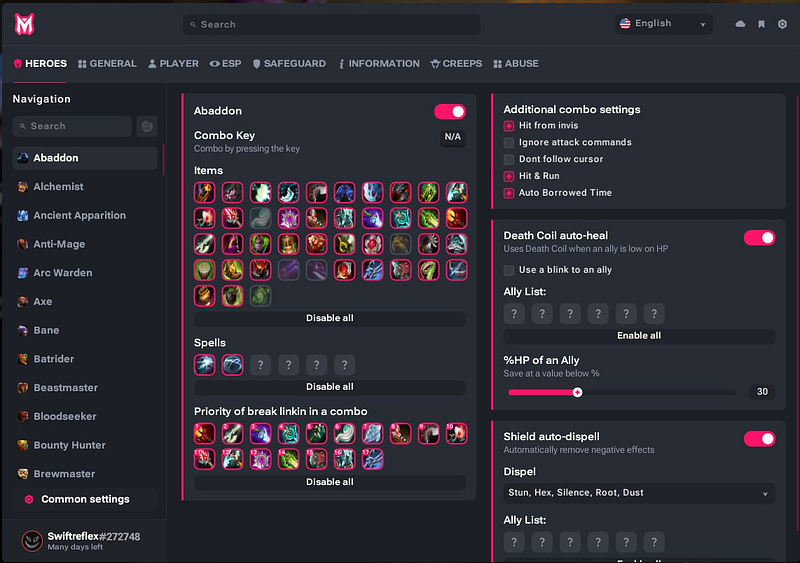
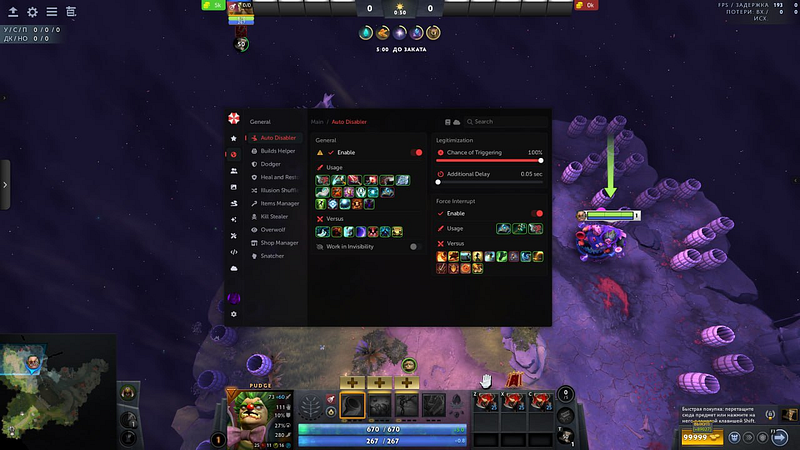
Right now Melonity’s public page calls Melonity V2 a platform for Dota 2 cheats and scripts. It lists hero examples like Invoker, Meepo, Arc Warden, Skywrath Mage and Pudge, and it shows visual and map categories as well. Read that as the scope the provider has documented, nothing more. It proves neither present-day compatibility nor quality nor how a match will go.
Pages about Umbrella usually build the pitch on a compact menu plus groups of hero scripts. Whenever a specific hero appears in the live listing, along with any control or exclusion, write down the wording together with the date. If the only thing it says is “all heroes” or “full map,” never quietly treat the slogan as proof of coverage.
So the real contest is not 500 features against a smaller number. What you are actually asking:
- How many of the functions that matter get explained?
- Are they split into modules you can read?
- Does the page refer to the current build?
- Can you see what happens if some condition is unsupported?
That final point outweighs any feature count. Judging a module with well-defined limits is far easier than judging a flashy label that has no edges.
Setup and everyday use
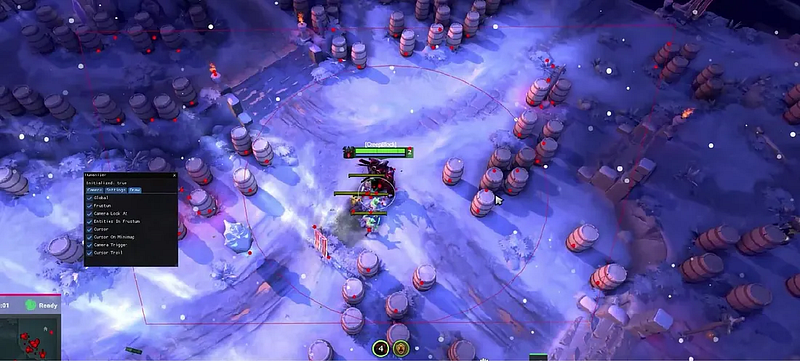
A menu that shines in a screenshot can get irritating ten minutes in. Check for:
- profiles per hero rather than a single global preset;
- keybinds with obvious labels and an option to reset them;
- sensible grouping of scripts, visuals and utility tools;
- update notes you can actually read when a patch alters behavior;
- docs explaining when a feature is not available.
On paper, Melonity suits anyone after a big hero library and lots of categories in a single place. A leaner Umbrella setup could work for someone who would rather make fewer choices. That speaks to how you like to work, not to any objective technical ruling.
Access, delivery and support belong to the product
Before you pay, note the precise plan each live page lists: how long it runs, the currency, the activation steps, the refund wording and how things work during the review of a fresh Dota update. Seeing “free trial” is not enough; write down what that trial covers and the moment it starts counting.
Automated delivery saves time, yet it leaves the support question open. You still have to find out:
- where to report trouble with activation;
- which details support wants from you;
- if your access clock stops while a compatibility problem lasts;
- if the page posts a current build or a changelog;
- if at any step it wants your Steam password, or a code meant for recovery.
That final point is a line you never cross. A legit account flow has no reason to make you give up credentials. When a seller stays vague, keep that field open rather than handing it a score you guessed.
What no product page can prove about updates and account risk
Patch dates belong anchored to the official Dota 2 updates page run by Valve. A screenshot of a product or a dated video may show the interface layout, yet it does not establish that it works today. Believable zero-ban promises are equally out of reach for third-party tools. Launching without an instant penalty just tells you about that single moment.
Keep the wording in your worksheet neutral, with tags like “on record,” “undated,” “unconfirmed in public” or “ask support.” Do not let “undetected” marketing turn into a verdict on safety.
An easy decision worksheet
Rate every product on each line below with a zero, a one or a two, and leave a cell empty wherever the page says nothing:
- proof that it runs on the current build;
- named heroes that matter for your pool;
- how clear setup and resets are;
- how open the plan and delivery terms are;
- support channel and downtime rules.
Next, list your three biggest priorities. If you play one hero most of the time, a module that is documented for that one hero wins over a giant catalog you will never touch. If you swap roles a lot, breadth may count for more. After every big Dota patch, fill the worksheet in again rather than clinging to an old ranking saved in your bookmarks.
Melonity’s place in this
Melonity’s public listing helps you see which categories it decides to document, which heroes it uses as examples and which access options it shows right now. Take those statements as claims from the vendor, and look at the live page again before buying. We have a commercial relationship with this product, so read this mention as an editorial disclosure, never as independent testing or a promise of safety.
In practice it comes down to this: look at Melonity’s current page to check its documented scope, then run Umbrella through the identical worksheet. An honest Dota 2 cheats comparison may well finish with “this matches my priorities” instead of some fake winner for everyone.
Internal links
- Dota 2 cheats and scripts explained
- Best Dota 2 cheats: how to choose a private tool
- Melonity Dota 2 cheat: features, setup and access
FAQ
Which is better for Dota 2, Melonity or Umbrella?
Nobody stays on top forever. Hold today’s documented modules, the build date, the support terms and how deep configuration goes up against the heroes you play and what you value most.
In a Dota 2 cheats comparison, what comes first?
Look at the current build reference, the named features, the plan terms, the delivery path, the support channel and the downtime rules. Anything the page leaves blank counts as unknown.
Can screenshots show a Dota 2 feature still working?
No. They can show how the interface is laid out, not whether it is compatible now, what it covers, how the account fares or how it performs once a patch hits.
Will Melonity keep my account safe for sure?
Promising zero bans honestly is beyond what any outside tool can do. Read Melonity’s public statements on features and access as claims from the vendor and check the live terms.
How often is it worth redoing the comparison?
Do it again after any big Dota 2 update, or any time a plan, a support page or the feature list changes.