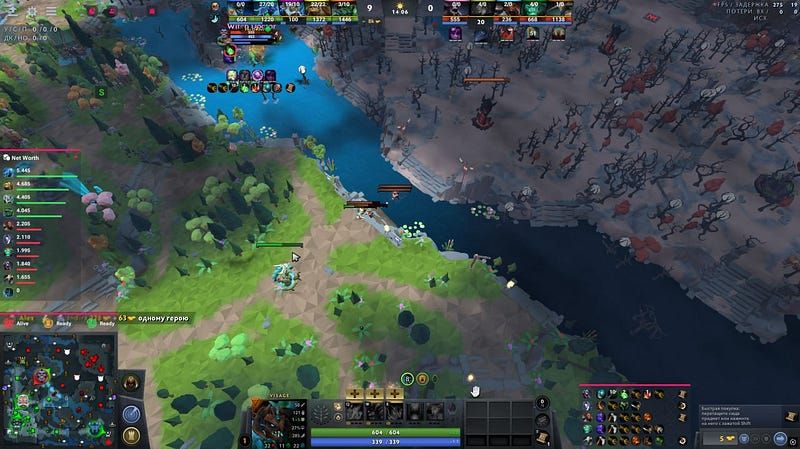
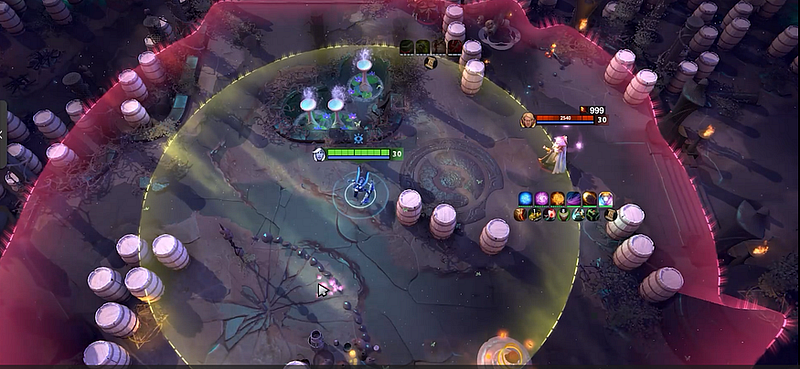
“Macro” seems like a simple word, but press on it: is it a context-aware script, some wider automation claim, or a fixed input sequence? Any feature label works as a headline; it is not a list of what is covered.
Quick answer: split every listing for a Dota 2 macro into three distinct claims: the input sequence gets defined, the context or trigger gets described, and support for the behavior is stated for a specific situation. One clip can display a single clean sequence. It can never prove full hero coverage, that behavior survives patches or that the account stays safe.
What does “macro” actually cover?
Product pages stretch the word “macro” over several separate ideas:
- playing back a fixed sequence of clicks or keys;
- tying a short chain of inputs to one named hero or ability;
- proposing an action but letting the player make the last input;
- having a context-aware script shift its response;
- labelling an entire automation module a “macro” and never saying where it ends.
Each is a different job. Adaptive logic is something other than a fixed sequence, and one brief scripted reaction is no sign the tool handles every modifier, animation or targeting edge case.
While reading a listing, restate the claim plainly: “once Y happens and Z holds, it sends X.” When the page leaves X, Y or Z empty, the honest label is not specified.
Input, context and coverage stay apart
Question one is about input: which exact sequence does the page describe? Question two concerns context: is the macro bound to a fixed key, a named hero or an in-game event? Question three is coverage: which modes, game states, spells and heroes get named?
Keep the three apart. A vendor may document a sequence and stay vague about its trigger. It may list plenty of supported heroes and never explain the exceptions. It may show a working demo while staying silent on whether it was filmed in a live match, a replay or a private lobby.
To compare products usefully, note down:
- The input sequence the description names.
- The trigger or context described, kept high level.
- The list of supported heroes or abilities.
- Exclusions, an update date or a “work in progress” label, if any.
Why a brief macro clip proves next to nothing
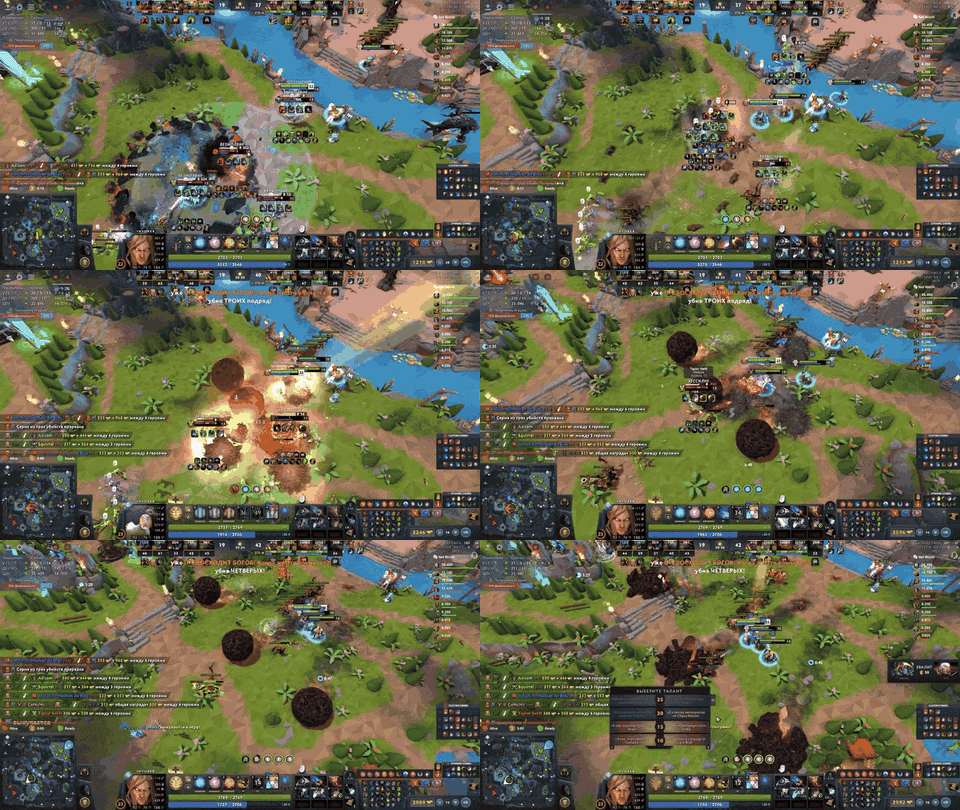
Any clip is a sample and not a test plan. Often it captures a single hero doing a single sequence from a single camera angle in one tidy setup. Rarely does it include what breaks, which conditions go unsupported, what a patch changes or how the tool copes with overlapping inputs.
Ask about context rather than the clip:
- What Dota build appears in it?
- Does the sequence stay fixed, or is it context-aware?
- Is the example sending input on its own, only suggesting an action or merely warning?
- Has the seller published exclusions?
- Is there a support note or changelog with a date, kept up by the seller?
Without those answers, call the clip interface or marketing evidence—never proof that coverage is complete.
What to ask before you trust a macro listing
- Is the “macro” a script, an adaptive module or a fixed input sequence?
- Which abilities, heroes and modes are truly supported, including inputs that overlap?
- Is the feature part of a hero module, or shown as one global switch?
- What changes once Dota is patched, and where can you read about it?
- Will support explain a case it does not handle without promising any result?
The safest way to compare is dull in the best sense: put dates on your notes, keep the precise wording and leave cells you cannot fill empty. “Not publicly confirmed” beats a confident guess every time.
How Melonity fits in
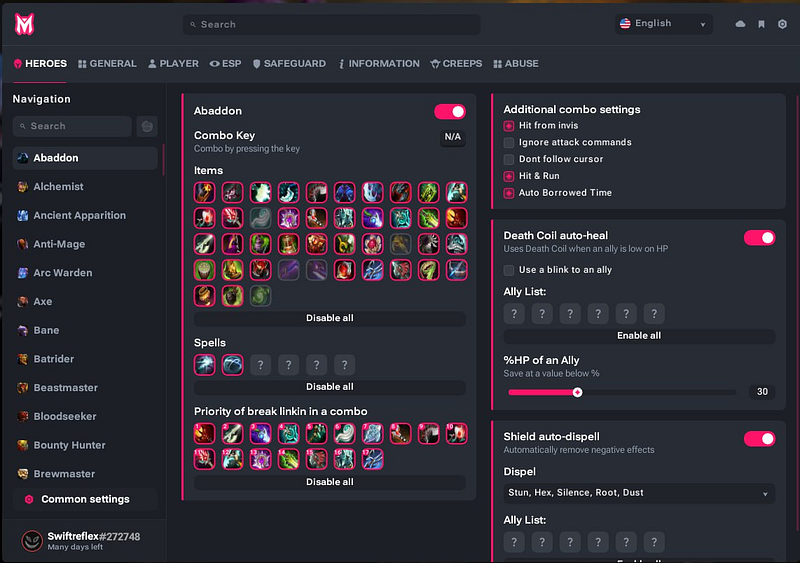
Melonity’s public page lists visual categories and hero scripts, yet a wide catalogue cannot show that every edge case or macro sequence is handled today. If macros are what matters to you, use the live product page to request the scope it names today and the context of its updates. This mention is commercial; it is no independent performance test and no promise of zero risk.
Internal links
- Dota 2 macros: types, limits and platform checks
- Dota 2 scripts explained
- Melonity Dota 2 cheat: features and access
FAQ
What is a Dota 2 macro?
The word labels either a script or a fixed input sequence. Which inputs, which context and how much coverage each need separate documentation.
Can one Dota 2 macro handle every hero?
Never assume so. A demo or listing might only cover situations, inputs and a few named heroes. Request the exclusions along with an up-to-date support note.
Is a video enough to prove full macro coverage?
No. Any video is one sample. It shows nothing about how failures are handled, whether a patch breaks it, what happens when events overlap or how the account fares.
Will my account be safe with a Dota 2 macro?
No third-party feature carries a believable zero-ban guarantee. Consider account risk open unless official policy states the opposite.
What questions should go to a provider?
Find out which inputs get sent, which context is claimed, what cases it supports, when someone last touched the page and what a patch changes.